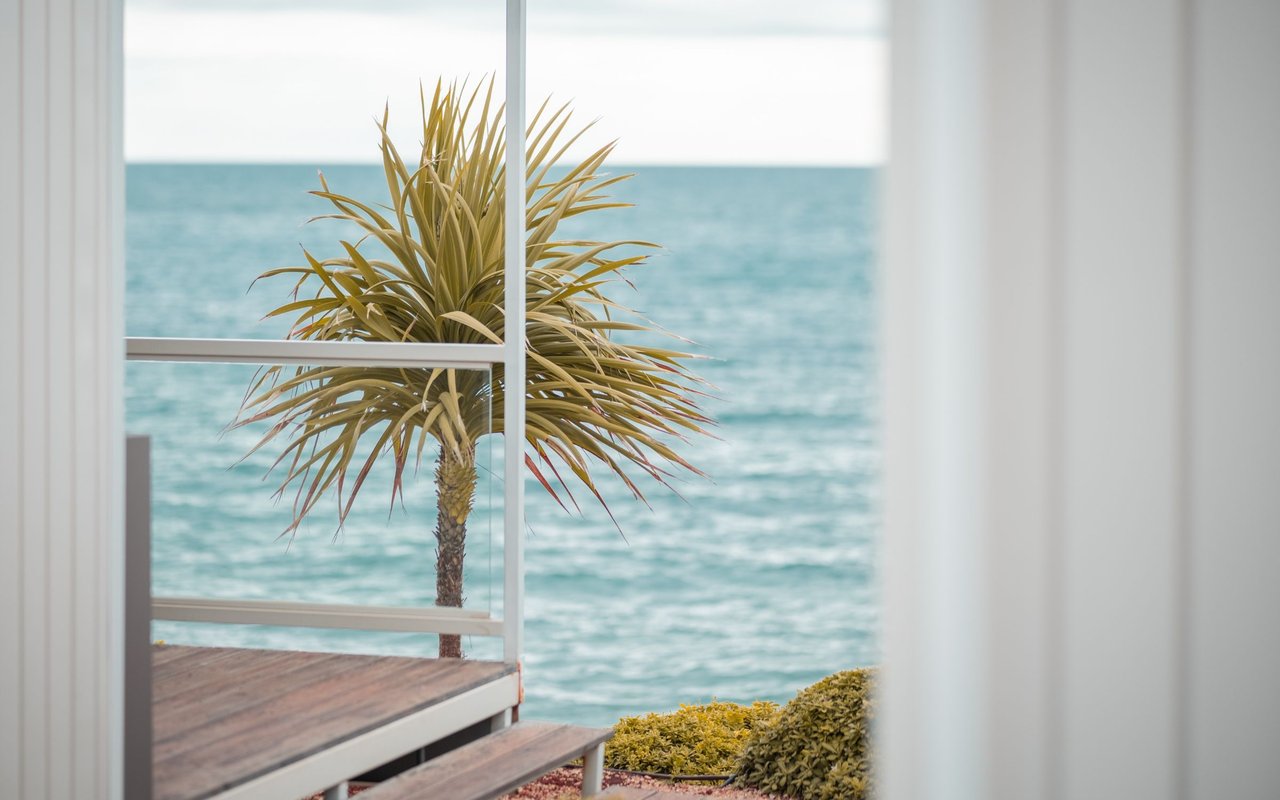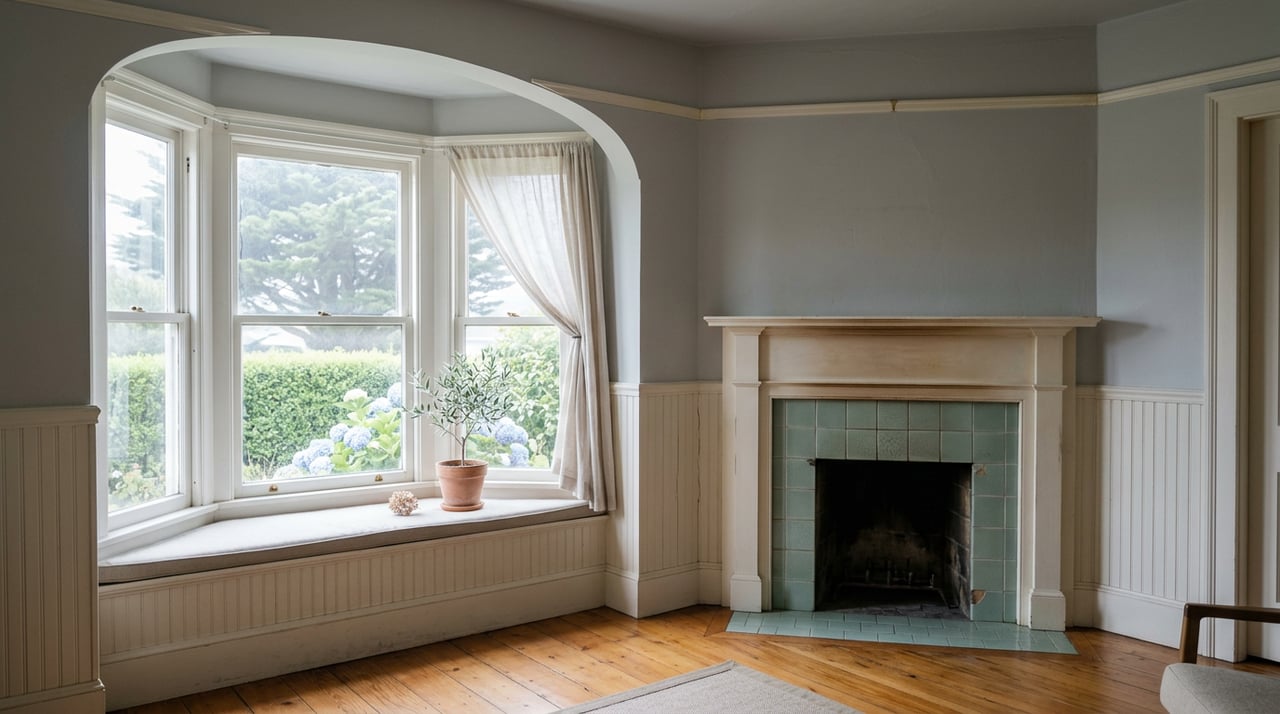
Bill and Susan Hobbs didn't set out to become a legal footnote. Susan inherited a home from her mother, a place the family later nicknamed Sea Dance, and she and Bill spent roughly $50,000 over two months turning it from a tired, unmaintained property into a vacation rental they believed would help carry its own costs. The home rented well. It drew no formal complaints. Then Pacific Grove held a lottery in May 2019 to sunset 51 short-term rental licenses out of the 256 then in circulation, and the Hobbs family's number came up. Their license, and their plan to keep the home in the family, was suddenly in question.
Their case, and a related one brought by the Shirkey family over a second home purchased in 1999 for grandchildren's visits, became part of a legal fight that stretched from that 2019 lottery to California's Sixth District Court of Appeals before it was resolved in 2022. That's the part most buyers browsing a Pacific Grove listing never see. And it points to something the city's own numbers make clear once you sit with them: the headline cap on short-term rentals here is 250 licenses citywide, but the number that actually governs what a home can do today is 84.
The gap between 250 and 84 is the story
Pacific Grove's municipal code caps short-term rental licenses at 250 across the city. That's the figure most secondary sources repeat when describing the market, and it makes the license sound like a fixed, predictable asset: a scarce slot in a capped system, available to whoever holds it.
But as of the city's current count, only 84 STR licenses are active, all of them confined to the Coastal and Commercial zones. That's not 84 out of 250 because demand ran dry. It's 84 because a chain of ballot measures, a contested lottery, and a multi-year court fight spent the better part of a decade shrinking the usable number well below the legal ceiling.
For a buyer evaluating a specific address, that gap changes the question. It's not "is there room under the cap." It's "what actually happened to this parcel's license, and what did that history leave behind."
Why new licenses can only exist in two zones
Since voters passed Measure M in November 2018 by a 58 percent margin, new short-term rental licenses can only be issued in Pacific Grove's Coastal or Commercial zoning areas. Homes in residential zones lost the ability to add new STR licenses entirely, with existing residential licenses phased out over an 18-month sunset period. The California Sixth District Court of Appeals upheld Measure M in November 2022, rejecting the argument that phasing out existing permits violated owners' due process rights.
A few rules sit underneath that zone boundary and shape what any individual license can do:
- One STR license per parcel, with no exceptions for larger lots
- A 55-foot zone of exclusion from any other licensed STR parcel, meaning density is capped block by block, not just citywide
- Home Sharing licenses, which allow an owner living on site to rent a room, are permitted anywhere in the city and aren't subject to the cap or density rules
That last point matters for anyone assuming a residential-zone home could still generate some rental income. It can, through Home Sharing, but only if the owner lives there. A whole-home short-term rental in a residential zone is no longer something a new owner can apply for, no matter how appealing the listing photos make the guest suite look.
The legal fight behind today's number
The appellate ruling closed one part of a fight that started well before it, with the city's 2019 lottery.
That lottery ran into a separate problem along the way. When Pacific Grove retired 51 licenses in that May 2019 lottery, 22 of them sat inside the Coastal Zone. As Monterey County Now reported, Monterey County Superior Court Judge Lydia Villarreal ruled that before the city could retire licenses in the Coastal Zone through a lottery, it needed a coastal development permit from the California Coastal Commission, since land use changes in the Coastal Zone fall under the Commission's jurisdiction rather than the city's alone. That finding favored the STR owners, even as the same judge rejected their broader due process argument.
Measure M's chief backer, Luke Coletti, called the due process ruling "a clear victory for Measure M" at the time. What's harder to find in public reporting is how the Coastal Act finding on those 22 coastal-zone licenses was ultimately resolved. What is clear from the city's current numbers is that the total active STR count, 84, sits well below the 250 cap years after this fight played out, and that gap traces directly to the 2019 lottery and the legal challenges around it rather than to any shortage of demand for licenses.
For a home that lost its license in that specific 2019 coastal-zone lottery, the honest starting point today is confirming with the city whether that license was ever reinstated. It isn't something a listing sheet will show.
What it costs to get this wrong
The city doesn't treat unlicensed short-term rentals as a paperwork issue. A home at 1029 Del Monte Boulevard was found by a city hearing officer in February 2019 to have operated as an illegal short-term rental in 2016 and 2017. In a separate enforcement case, the city moved to place a lien on a property for $30,361 in unpaid penalties, with fines still accruing for every day the balance went unpaid. Another host was permitted to keep roughly $19,000 in 2017 rental income but still owed $2,430 in transient occupancy tax, interest, and penalties, with the city prepared to proceed with a lien if that wasn't paid on time.
Pacific Grove currently charges a 12 percent transient occupancy tax on licensed short-term rentals, collected monthly whether or not the property had guests that month. That's a real, recurring cost of doing this legally, and it's a useful contrast to the recurring cost of doing it without a license, which is measured in liens and daily-accruing penalties rather than a flat tax rate.
What this means before you write an offer
A Pacific Grove listing that mentions rental income potential is telling you something true about the home's location and layout. It isn't telling you whether that potential is legally available to you as the next owner. Before treating STR income as part of a home's value, it's worth confirming:
- Whether the address sits in the Coastal Zone, Commercial Zone, or a residential zone, since only the first two allow new whole-home STR licenses
- Whether an existing license on the property is active, lapsed, or was one of the 51 pulled in the 2019 lottery
- Whether the parcel falls within the 55-foot zone of exclusion from another licensed STR, which can block a new application even in an eligible zone
- Whether a Home Sharing license, which requires owner occupancy, is a more realistic fit than a whole-home STR license
The city's own short-term rental map and license database are the most direct way to check a specific address rather than relying on a listing description or a general market report.
For sellers holding an active license, that license is a real asset, but its value depends on the same zone and licensing history. A license tied to the 2019 coastal-zone lottery carries a question mark that a license with a clean, uninterrupted history doesn't, simply because of how that specific chapter played out.
A note on the broader rental economics
Market data on Pacific Grove's short-term rental performance, drawn from listings as of April 2026, shows average annual revenue for active rentals near $98,600, with average daily rates around $403 and home values in the STR-eligible range averaging close to $1.96 million. Those figures describe a market with healthy demand and above-average occupancy stability. They don't distinguish between a home operating on a secure, uninterrupted license and one whose license history runs through the 2019 coastal-zone lottery, which is exactly the distinction that matters most for anyone buying with rental income in mind rather than for full-time coastal living.
FAQ
Does an active STR license transfer automatically when a home sells? This is a detail worth confirming directly with the city's Short-Term Rental Program before assuming continuity, since license status is tied to specific compliance and application requirements that can change with a change of ownership.
If I buy in the Coastal Zone, can I apply for a new STR license? New STR licenses remain available in the Coastal and Commercial zones, subject to the citywide cap, the one-per-parcel rule, and the 55-foot zone of exclusion. Availability at a specific address should be confirmed through the city's STR map or license database rather than assumed from the zone alone.
What if a listing advertises "STR potential" but the home is in a residential zone? Since Measure M's phase-out, residential-zone homes cannot apply for new whole-home STR licenses. Home Sharing, which requires the owner to live on site, remains an option, but it comes with its own occupancy limits and doesn't produce the same income model as a whole-home rental.
Pacific Grove rewards buyers and sellers who understand these details before they matter, not after an offer is signed. If you're weighing a Pacific Grove home with rental income in the picture, or preparing to sell one with an existing license, Cheryl Heyermann can walk through what a specific address's zone, license history, and current legal standing actually mean for your plans. Let's Connect.